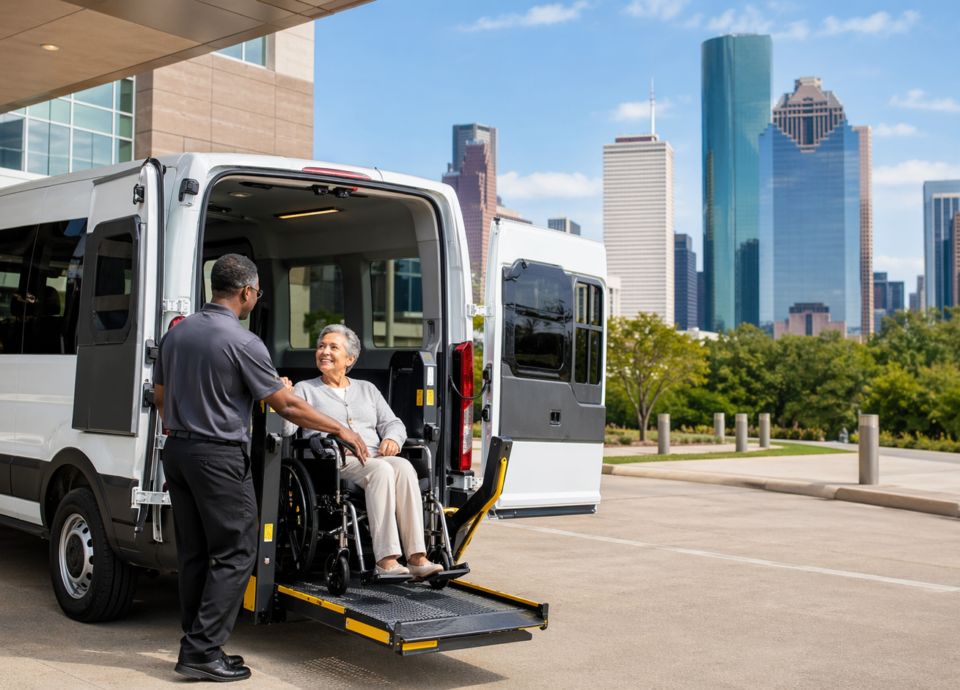
When people think about medical transportation, emergencies usually come to mind. Sirens, urgent calls, and hospital rushes dominate the picture. But in reality, most healthcare journeys are planned, routine, and quietly essential. This is where non-emergency medical transport plays a vital yet often unnoticed role.
For many patients, healthcare access doesn’t break down at diagnosis or treatment – it breaks down at logistics. Getting to care consistently is one of the biggest challenges in modern healthcare, and transportation sits right at the center of that challenge.
Healthcare Doesn’t Pause Between Appointments
Medical care rarely happens once. It’s ongoing. Follow-ups, therapies, monitoring, and regular check-ins are what keep people stable and improving.
Without reliable non-emergency medical transport, these connections weaken. Appointments are postponed. Treatment schedules slip. What starts as a small delay can turn into a bigger health issue over time.
Transportation may seem like a secondary detail, but in practice, it directly affects outcomes.
Why Everyday Medical Travel Requires a Different Approach
Medical travel is not the same as running errands or commuting to work. Patients may be tired, anxious, in pain, or recovering from procedures. Timing matters. Comfort matters. Reliability matters.
Non-emergency medical transport is designed around these realities. It supports patients who need consistency rather than speed and care rather than convenience.
This type of transport exists to serve healthcare – not the other way around.
Predictability Is the Real Value
One of the most important aspects of non-emergency medical transport is predictability. Knowing when a ride will arrive, how long it will take, and what level of assistance will be provided reduces stress before the appointment even begins.
For patients, predictability creates confidence.
For families, it creates trust.
For healthcare providers, it supports continuity of care.
When Transportation Becomes Part of the Treatment Plan
In many cases, transportation is not separate from medical care – it becomes part of it.
Patients undergoing dialysis, physical therapy, or long-term treatment rely on regular attendance. Missing sessions can undo progress. Reliable non-emergency medical transport helps maintain treatment momentum by removing logistical uncertainty.
Healthcare works best when nothing stands in the way of showing up.
Beyond Patients: The Impact on Families and Caregivers
Transportation challenges rarely affect only one person. Family members and caregivers often step in, adjusting work schedules and personal responsibilities to make appointments possible.
Non-emergency medical transport eases this burden. When transportation is handled professionally, families regain time, flexibility, and peace of mind – without sacrificing the quality of care their loved ones receive.
A Service Built on Coordination, Not Urgency
Unlike emergency services, non-emergency medical transport is built on coordination. It requires communication, planning, and alignment with medical schedules.
This coordination allows transportation to integrate smoothly into a patient’s healthcare routine, rather than disrupt it. When done correctly, it feels less like a service and more like a support system.
The Long-Term Effect on Healthcare Access
Reliable non-emergency medical transport does more than solve individual trips. Over time, it improves access to care, supports better health management, and reduces avoidable complications caused by missed appointments.
Healthcare systems increasingly recognize that access is not just about availability – it’s about reachability.
Transportation makes care reachable.
Choosing Reliability Over Short-Term Solutions
Last-minute rides and informal arrangements often work – until they don’t. Inconsistent transportation creates risk, especially for patients with ongoing medical needs.
Choosing a dependable non-emergency medical transport provider means choosing stability, consistency, and a long-term approach to healthcare access.
Supporting Care Through Consistent Movement
Healthcare doesn’t move forward without movement. Every appointment attended, every treatment completed, and every follow-up kept depends on the ability to get there safely and on time.
Non-emergency medical transport quietly supports this process every day, making healthcare more accessible without drawing attention to itself.
Ready to Arrange Non-Emergency Medical Transport?
If you’re looking for non-emergency medical transport that fits seamlessly into ongoing healthcare needs, our team is here to help. Visit our contact page to learn more about safe, reliable, and coordinated medical transportation options designed to support long-term care.
READ MORE: Transportation to Doctor Appointments | Making Healthcare Access Easier