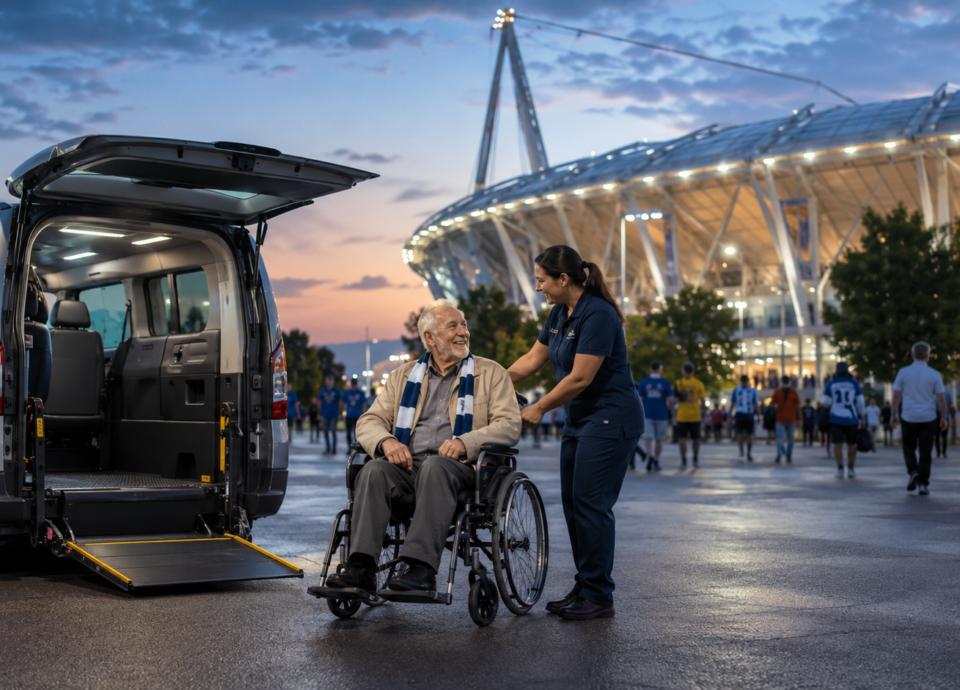
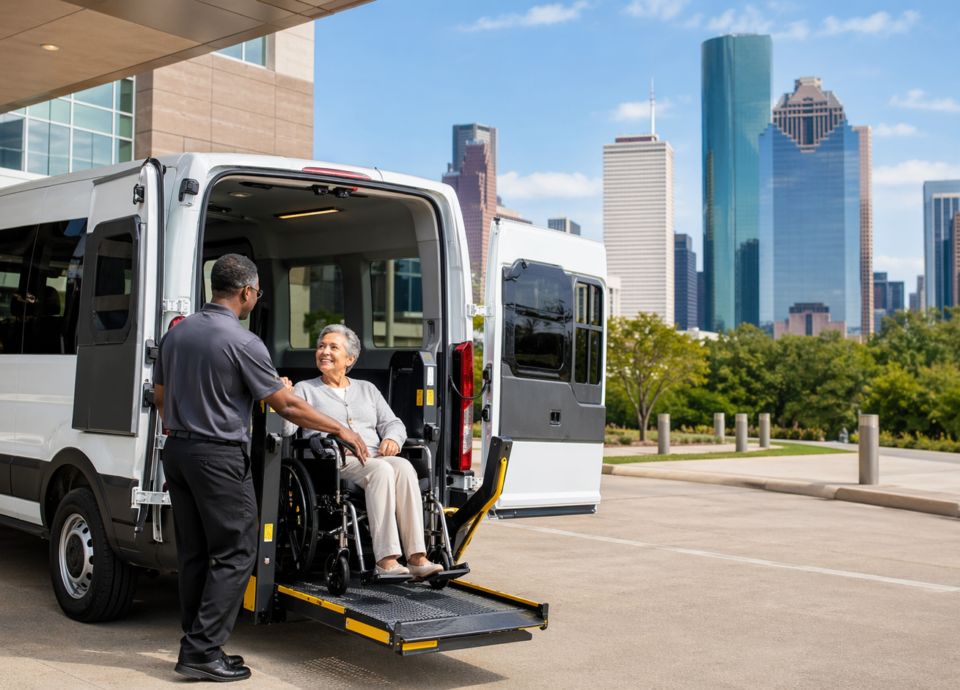
Mobility should never be a limitation to independence. Yet for individuals who use wheelchairs, transportation often becomes one of the biggest barriers to daily life. Wheelchair accessible transportation exists to remove that barrier – not as a convenience, but as a necessity.
True accessibility is not just about ramps or vehicle size. It’s about designing transportation around real people, real movement, and real needs. When done right, wheelchair accessible transportation becomes an extension of independence rather than a reminder of limitation.
Accessibility Is More Than Equipment
Many assume wheelchair accessible transportation simply means having a vehicle that fits a wheelchair. In reality, accessibility is a system, not a feature.
It includes proper vehicle configuration, safe boarding processes, secure positioning, trained assistance, and a smooth ride experience. Without all of these elements working together, accessibility remains incomplete.
Wheelchair accessible transportation must function seamlessly from pickup to drop-off – without requiring passengers to adapt themselves to the service.
Built for Stability, Not Speed
Unlike standard transport services, wheelchair accessible transportation prioritizes stability over speed. Sudden stops, tight turns, or rushed loading procedures can create discomfort or safety risks.
A well-designed service focuses on steady pacing, secure positioning, and controlled movement throughout the trip. This approach protects both physical safety and personal comfort, especially during longer journeys or medical-related travel.
Independence Is the Real Outcome
One of the most important outcomes of wheelchair accessible transportation is independence. Reliable access to transportation allows individuals to attend appointments, maintain social connections, work, and participate in community life without constant reliance on others.
Independence isn’t about doing everything alone – it’s about having systems in place that make everyday life possible without unnecessary barriers.
Why Training Matters More Than Technology
Advanced vehicles are essential, but they are only part of the equation. The human element plays an equally critical role.
Drivers and support staff must understand how to assist without overstepping, how to communicate clearly, and how to respect personal space and autonomy. Proper training ensures that wheelchair accessible transportation feels supportive rather than intrusive.
When staff understand mobility needs, the entire experience becomes smoother and more dignified.
Everyday Situations Where Accessibility Makes the Difference
Wheelchair accessible transportation supports far more than medical appointments. It plays a role in everyday life, including:
- Routine errands and personal appointments
- Work and educational commitments
- Social visits and community activities
- Long-term care coordination
- Family engagements and life events
Accessibility enables participation, not isolation.
Reliability Is Part of Accessibility
Accessibility loses its value without reliability. Late arrivals, missed pickups, or inconsistent service can quickly undermine trust and independence.
Wheelchair accessible transportation must be dependable, predictable, and well-coordinated. Knowing when transportation will arrive – and knowing it will arrive – allows individuals to plan their day with confidence.
Reliability turns access into freedom.
Reducing Stress for Families and Caregivers
Transportation challenges often extend beyond the individual. Families and caregivers frequently absorb the stress of coordinating rides, adjusting schedules, and filling gaps when transportation falls through.
Professional wheelchair accessible transportation reduces this burden. When transportation is handled consistently and professionally, families regain time, flexibility, and peace of mind.
Designing Transportation With Dignity in Mind
Dignity is not optional. Wheelchair accessible transportation should never make passengers feel rushed, overlooked, or treated as a logistical problem.
Respectful communication, thoughtful assistance, and attention to comfort all contribute to an experience that reinforces dignity rather than diminishes it.
Transportation should adapt to people – not the other way around.
A Foundation for Inclusive Communities
Accessible transportation plays a broader role in building inclusive communities. When mobility barriers are removed, participation increases, opportunities expand, and quality of life improves.
Wheelchair accessible transportation supports inclusion by making everyday movement possible, predictable, and safe.
Moving Forward With Confidence
Transportation should empower movement, not restrict it. Wheelchair accessible transportation, when designed and delivered properly, creates confidence – confidence to plan, to participate, and to live fully.
Mobility is not just about reaching a destination. It’s about how the journey supports independence, comfort, and respect every step of the way.
Ready to Explore Wheelchair Accessible Transportation Options?
If you’re looking for wheelchair accessible transportation that prioritizes safety, reliability, and dignity, our team is here to help. Visit our contact page to learn more about transportation solutions designed to support mobility with confidence and care.
READ MORE: Transport Elderly Long Distance | What Families Need to Plan for Safe Travel